

Find the fault before it fails
We inspect existing installations to identify danger, damage and defects, and specify the remedial measures needed to protect against electric shock, burns, fire and excessive heat.
Thermal inspection
Surveys of electrical systems can expose faults such as poor connections, overloaded circuits and imbalanced loads. Alternating current often loosens connections, which in turn causes breakdowns. Downtime is expensive: plant stoppages, an idle workforce and lost customer service, before the cost of repairs and possible damage from electrical fires.
Thermal imaging suits electrical installations so well because components begin to deteriorate as soon as they are installed. Whatever the loading, vibration, fatigue and age loosen connections, and environmental conditions speed up corrosion. Over time, every connection heads towards failure.
A loose or corroded connection raises resistance. Higher resistance means more heat.
Thermal imaging detects that heat, so a developing fault is found and repaired before it fails.
Portable appliance testing
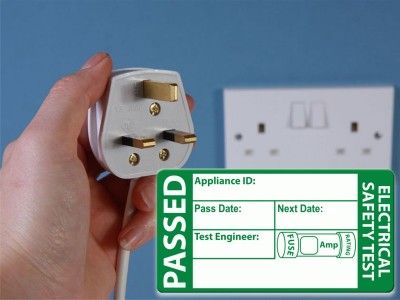
Portable appliance testing is a series of in-service tests that repeat the manufacturers’ safety tests, to keep everyone who uses the equipment safe. A portable appliance is any item that can be disconnected from the supply by a plug.
Tests are carried out on site with a microprocessor-controlled instrument. Results are downloaded and stored, and you receive a detailed report.
A detailed inspection of your portable appliances, such as computers, helps you comply with the Safety, Health and Welfare at Work Act 2007, Regulation 81, which covers portable equipment. Employers have a duty of care to staff and the public to make sure the equipment they use has been properly tested.
S.I. 2007 · Regulation 81Periodic testing
Periodic testing inspects and tests an existing installation to find any damage or defects, and specifies the remedial measures needed for an acceptable level of protection against electric shock and burns, and against fire and excessive heat caused by a defect.
Testing is carried out in accordance with ET101:2004 and ET101:2008. With our experience in this field, we can give you a comprehensive report and advice on any aspect of your installation.
Suggested maximum intervals between inspections
| Type of installation | Max. period |
|---|---|
| Domestic premises | 5 years |
| Commercial premises | 5 years |
| Educational establishments | 5 years |
| Cinemas | 1 year |
| Leisure complexes | 1 year |
| Places of public entertainment | 1 year |
| Theatres | 1 year |
| Petrol filling stations | 1 year |
Energy efficiency
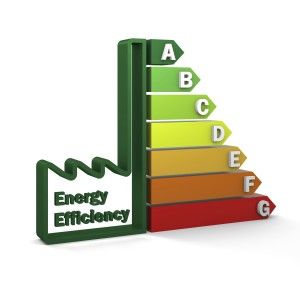
Electrical energy efficiency means using less electricity: the minimum needed to do a task, or shifting use away from periods of high demand.
We carry out a detailed survey of your premises and installation and give you a comprehensive report on the energy savings we can help you achieve. Our customers are already saving up to 20% on their lighting costs alone.
Emergency lighting
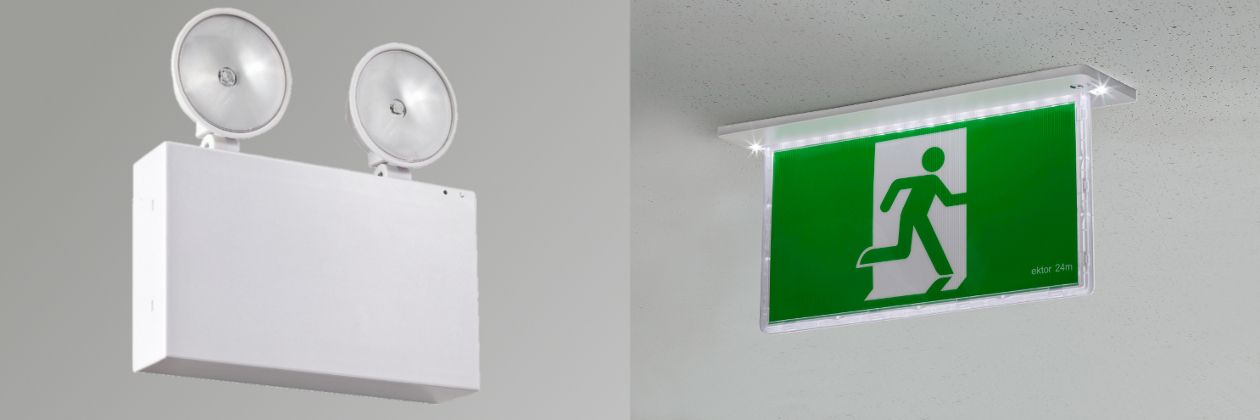
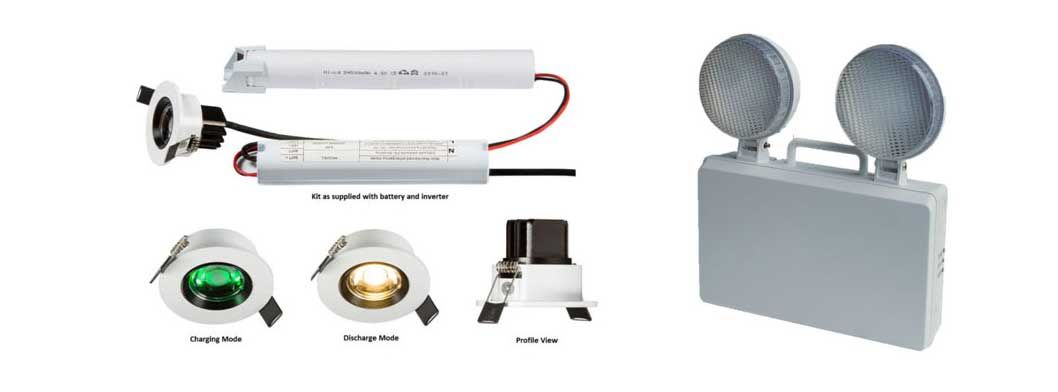
We test emergency lighting in accordance with IS 3217:2013. You receive a detailed report, and we can carry out any remedial work needed. Testing can then be scheduled quarterly, so you never need to worry about lighting levels during a power failure.
Design
We have designed, fitted and certified emergency lighting for every kind of premises, from high-end office blocks to large commercial buildings and tourist attractions.
Maintenance contracts
Much of our business is ongoing maintenance for corporate and government clients: monitoring and support for emergency lighting, and a complete turnkey service for the whole premises. Contract clients receive updated reports every three months, and any issues are quickly reported and dealt with.
Book an inspection
Tell us about your premises and we will arrange a visit.